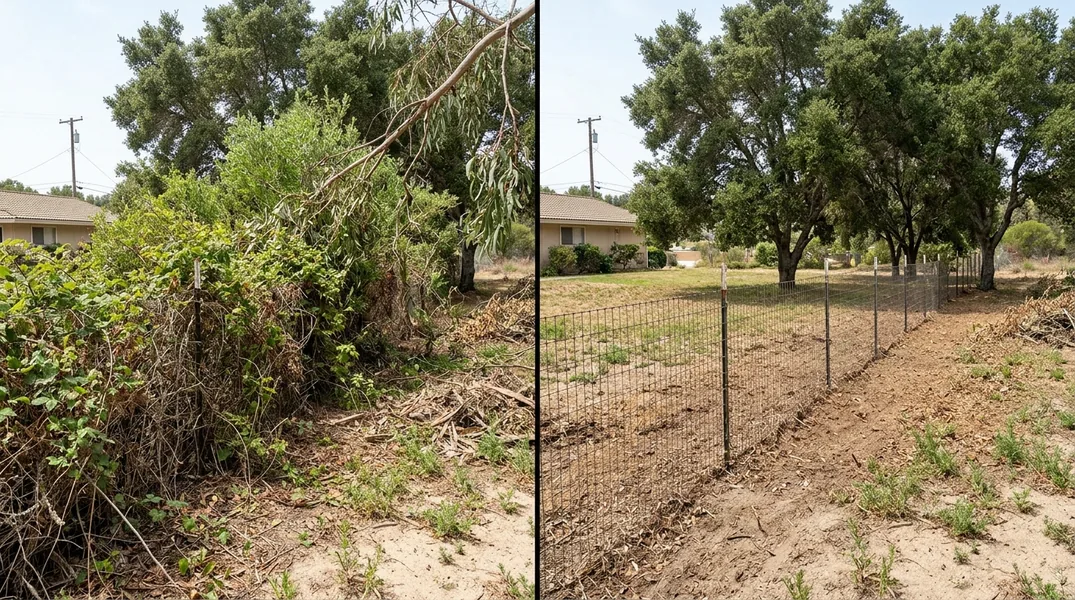
Understanding Wind Damage and Atmospheric Rivers on the Central Coast
The Central Coast of California experiences a unique combination of weather challenges that can wreak havoc on trees. Valley winds sweep through Santa Maria with surprising force, and atmospheric rivers bring torrential rainfall that saturates soil and weakens root systems. When these two weather patterns converge, homeowners face serious risks of falling branches, uprooted trees, and property damage.
Understanding these weather patterns is the first step toward protecting your landscape. Atmospheric rivers are essentially rivers of moisture in the atmosphere that can dump several inches of rain in a short period. When the ground becomes waterlogged, tree roots lose their grip in the soil, making even mature trees vulnerable to toppling during high winds. The combination is particularly dangerous because the heavy rain often precedes or accompanies the strongest gusts, leaving trees in a weakened state exactly when they face maximum stress.
How Valley Winds Damage Trees in Santa Maria
Valley winds in Santa Maria and surrounding areas can reach speeds that exceed 40 miles per hour, and during severe weather events, gusts can be even more intense. These winds don't just bend trees gently. They exert tremendous lateral force on trunks and branches, especially on trees with dense canopies that act like sails catching the wind. Dead or diseased branches are the first to snap, but healthy trees can also suffer significant damage if their structure is compromised or if they've grown too tall and top-heavy.
The damage pattern from wind is often predictable. Branches on the windward side snap first, while the tree may split internally as the trunk twists. Trees with shallow root systems, those growing in poor soil conditions, or trees that have never been properly pruned are at the highest risk. Young trees and ornamental species with weak wood are particularly vulnerable. If you notice your trees leaning slightly or if branches are already showing signs of stress, they're prime candidates for damage during the next windstorm.
Preventive Tree Trimming Santa Maria: Your First Line of Defense
Tree Trimming & Pruning is one of the most effective ways to prepare your landscape for severe weather. By removing dead wood, reducing canopy density, and improving overall tree structure, you significantly reduce the wind load that trees must withstand. Professional arborists understand which branches to remove to maintain tree health while creating a more aerodynamic shape that allows wind to pass through rather than push against a solid wall of foliage.
The timing of preventive trimming matters. Ideally, you want to complete major pruning work before the winter storm season arrives. In Santa Maria, this means scheduling work in late summer or early fall. Regular trimming also improves air circulation within the canopy, which helps branches dry more quickly after rain and reduces the weight load from water accumulation. Trees that have been properly maintained over several years are dramatically more resilient than trees that have been neglected and suddenly receive aggressive pruning right before a storm.
Storm Preparation: Steps to Take Before the Next Atmospheric River
Beyond trimming, there are several other steps homeowners should take to prepare for severe weather. First, walk your property and identify trees that are already showing signs of trouble. Look for trees with multiple trunks joined at weak angles, trees that are leaning, or trees with large cavities or hollows in the trunk. These are candidates for professional assessment and possibly removal before they become hazards. Check the base of trees for signs of root disease or instability, such as soil heaving or the tree rocking in its socket when you push on the trunk.
Second, clear gutters and downspouts so water drains properly away from your home's foundation and away from tree root zones. During atmospheric river events, proper drainage can mean the difference between a tree staying upright and falling. Third, trim back branches that hang over your roof, driveway, or power lines. Even if these branches don't fall completely, they can cause significant damage if they break and land on structures. Finally, consider the placement of outdoor furniture, grills, and other items that could become projectiles in high winds. Move them to sheltered areas or secure them firmly.
When to Call Emergency Tree Service Near Me
Sometimes despite your best preparation efforts, trees suffer damage during storms or show signs of severe stress that require immediate attention. This is when Emergency Tree Service becomes essential. If a tree has partially fallen, is leaning at an unnatural angle, or has split down the trunk, don't wait for the next storm to have it addressed. A tree in this condition is unpredictable and dangerous. Broken branches hanging in the canopy can fall without warning, and a leaning tree may topple at any moment, especially if another storm arrives.
Signs that a tree needs professional attention include large cracks in the trunk, bark stripped from major branches, trees that have been uprooted but are still partially supported by neighboring trees or structures, and any tree that's lost more than 25 percent of its canopy. Santa Maria Tree Service offers emergency response services to handle these situations safely and quickly. If you're unsure whether your tree is in danger, the best approach is to have a professional assess it. The cost of an evaluation is minimal compared to the potential damage from a falling tree.
Professional Assessment and Long-Term Tree Health
The most comprehensive approach to storm preparation involves having a experienced arborist evaluate your trees before severe weather arrives. During this assessment, a professional can identify structural weaknesses, recommend specific pruning cuts, and advise you on which trees may need Tree Removal due to disease, age, or inherent instability. This proactive approach protects your property and your family while potentially saving you money by preventing emergency situations.
Long-term tree health is built on consistent, proper maintenance. Trees that receive regular pruning, are monitored for disease and pest problems, and are grown in good soil conditions with adequate water are far more resilient than neglected trees. If you've never had your trees professionally evaluated, now is the perfect time to schedule a free estimate from Santa Maria Tree Service. Our team can walk your property, identify potential risks, and create a maintenance plan that keeps your trees healthy and your property safe through whatever weather comes your way. Contact us today at (805) 362-2889 to get started.
Looking for a professional tree service contractor in Santa Maria? Santa Maria Tree Service responds fast for all your tree service needs.
Get a Free QuoteOur services: Tree Removal · Tree Trimming & Pruning · Stump Grinding